If you’ve ever set up a website, you’ve probably heard of a VPS. But what exactly is a VPS? And is it the same thing as a VPN?
A VPS (Virtual Private Server) is a type of hosting that allows businesses and individuals to lease a server that is divided into multiple “virtual” servers.
Each virtual server has its own set of resources, so businesses can tailor their hosting needs to their specific applications.
A VPN (Virtual Private Network) is a type of networking that allows businesses and individuals to create a private network over the Internet.
VPNs use encryption to secure data transmissions, making them ideal for companies that need to share sensitive information over the Internet.
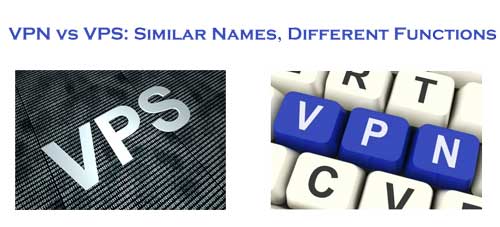
While a VPS and VPN both provide private access to resources over the Internet, they are not the same thing.
A VPS is a type of hosting, while a VPN is a type of networking.
Both a VPS and VPN can be used to increase security and privacy, but they are not the same thing.
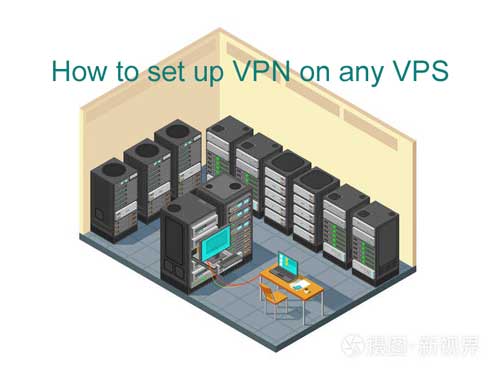
Can I use a VPS as a VPN?
A VPS, or Virtual Private Server, is a server that is divided into multiple virtual machines, each of which acts as a separate server.
A VPN, or Virtual Private Network, is a private network that uses a public network (usually the Internet) to connect remote sites or users. So, can you use a VPS as a VPN?
The answer is yes, but there are some things to keep in mind.
First of all, most VPS providers do not allow their servers to be used for VPNs.
Secondly, even if your VPS provider does allow it, your VPS will likely be slower than a dedicated VPN server.
Finally, unless you setup your VPS correctly, it will not be nearly as secure as a dedicated VPN server.
So, while you can use a VPS as a VPN, it’s not ideal and there are better options available.